
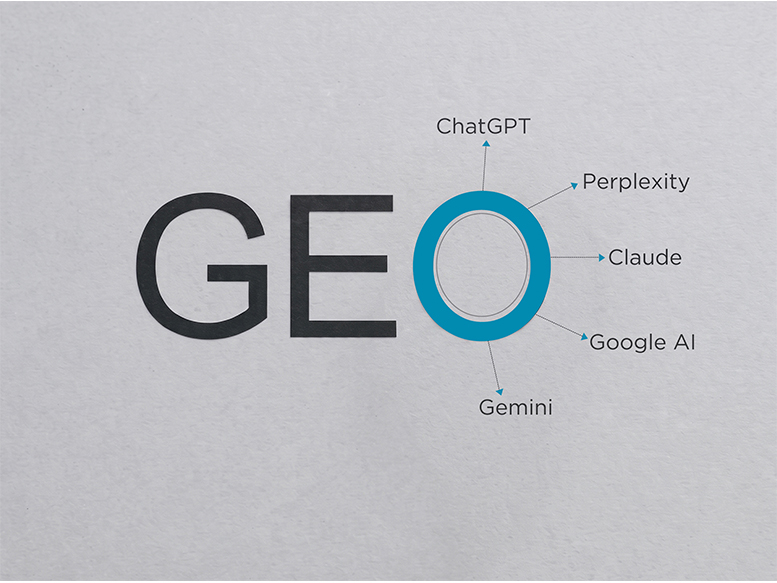
There is a quiet shift happening across modern B2B buyer journeys: your target decision-makers are letting AI filter their vendor lists before your sales team ever gets a chance to pitch.
When a prospective client prompts Gemini or ChatGPT for a recommendation, they aren’t looking at a page of ten links. They are reading a curated, short-form answer. If your brand isn’t part of that synthesized output, you aren’t just ranking lower—you are completely excluded from the conversation.
Holding onto a legacy SEO strategy in an AI-first ecosystem creates a dangerous blind spot.
Why Page-One Rankings No Longer Protect You
For years, dominating search meant securing high-ranking keywords. But modern search interfaces prioritize direct answers over directory links.
To stay competitive, your technical framework must evolve from ranking for clicks to engineering for AI citation:
- Pre-Qualified Traffic: AI platforms answer initial research questions and refer visitors who are much further along in the buying process.
- Topical Authority Over Keyword Stuffing: LLMs evaluate deep, structured domain expertise rather than surface-level keyword density.
- Data Transparency: Advanced schema and structured data ensure AI engines accurately parse your value proposition without hallucinating facts.
From Search Engines to Recommendation Engines
Generative Engine Optimization (GEO) isn’t about gaming an algorithm; it’s about positioning your organization as the definitive, verifiable source of truth in your sector. When AI models trust your data, your brand becomes the default recommendation.
Is your digital presence built for AI synthesis, or are you risking total invisibility? Let’s conduct a GEO readiness audit to make sure your brand remains front and center.